
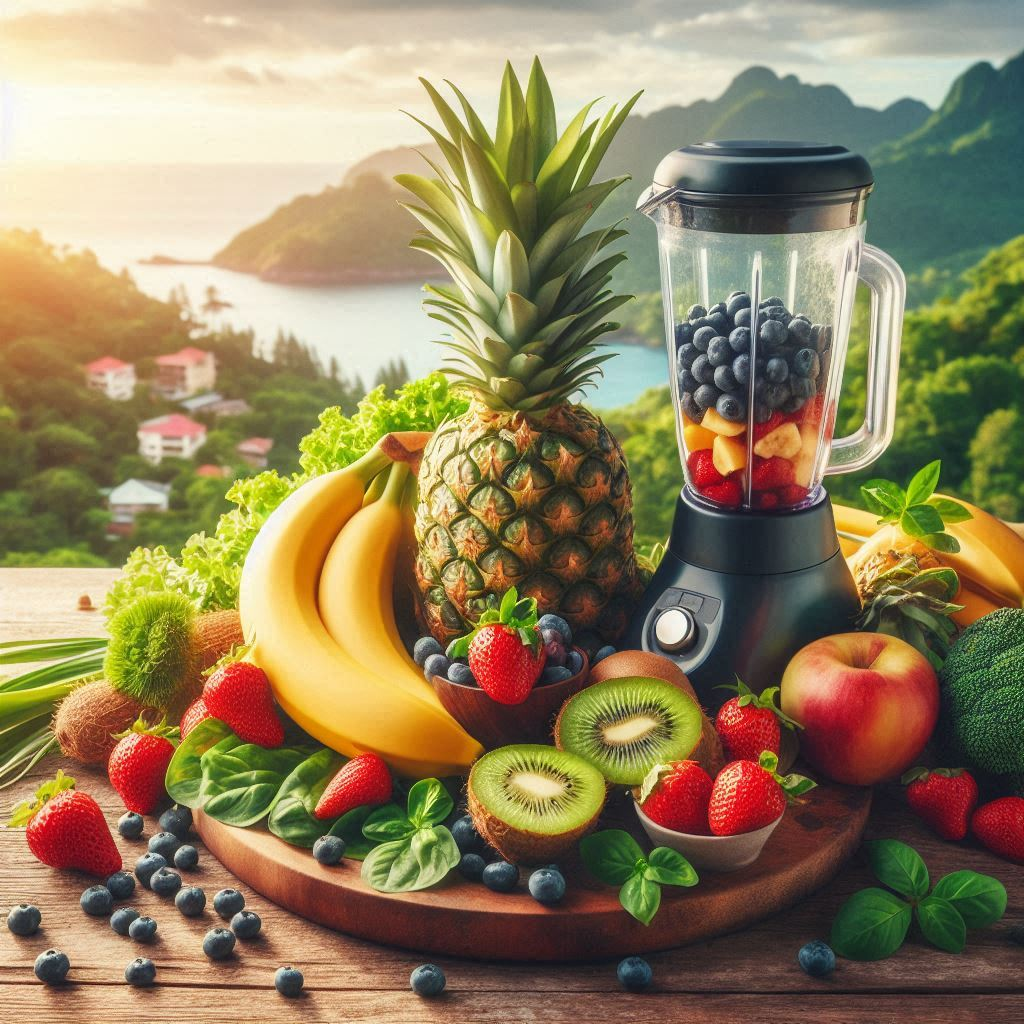
Soultrition packets are an antioxidant-rich, anti-inflammatory, hormone-balancing, gut-friendly powerhouse of superfoods.
High antioxidants (Camu, Maqui, Acai, Baobab)
Hormone & energy support (Maca, Flax) Omega-3s & fiber for heart and gut health (Flax, Chia)
Skin and immune system nourishment (Vitamin C from Camu + Baobab)
Soultrition is a collection of superfoods that tours the world’s most nutrient-dense ecosystems, from the Andes to the Amazon to Africa.
Andes (Maca, Chia) → high-altitude and temperate crops.
Amazon (Camu Camu, Açaí) → riverbanks and tropical rainforest palms.
Southern Cone of South America (Maqui) → wild-harvested berries from Chilean Patagonia.
Africa (Baobab) → ancient, drought-resistant fruit trees.
Canada (Flaxseed) → cool, northern climate of western Canadian prairies.
Gelatinized Maca Powder
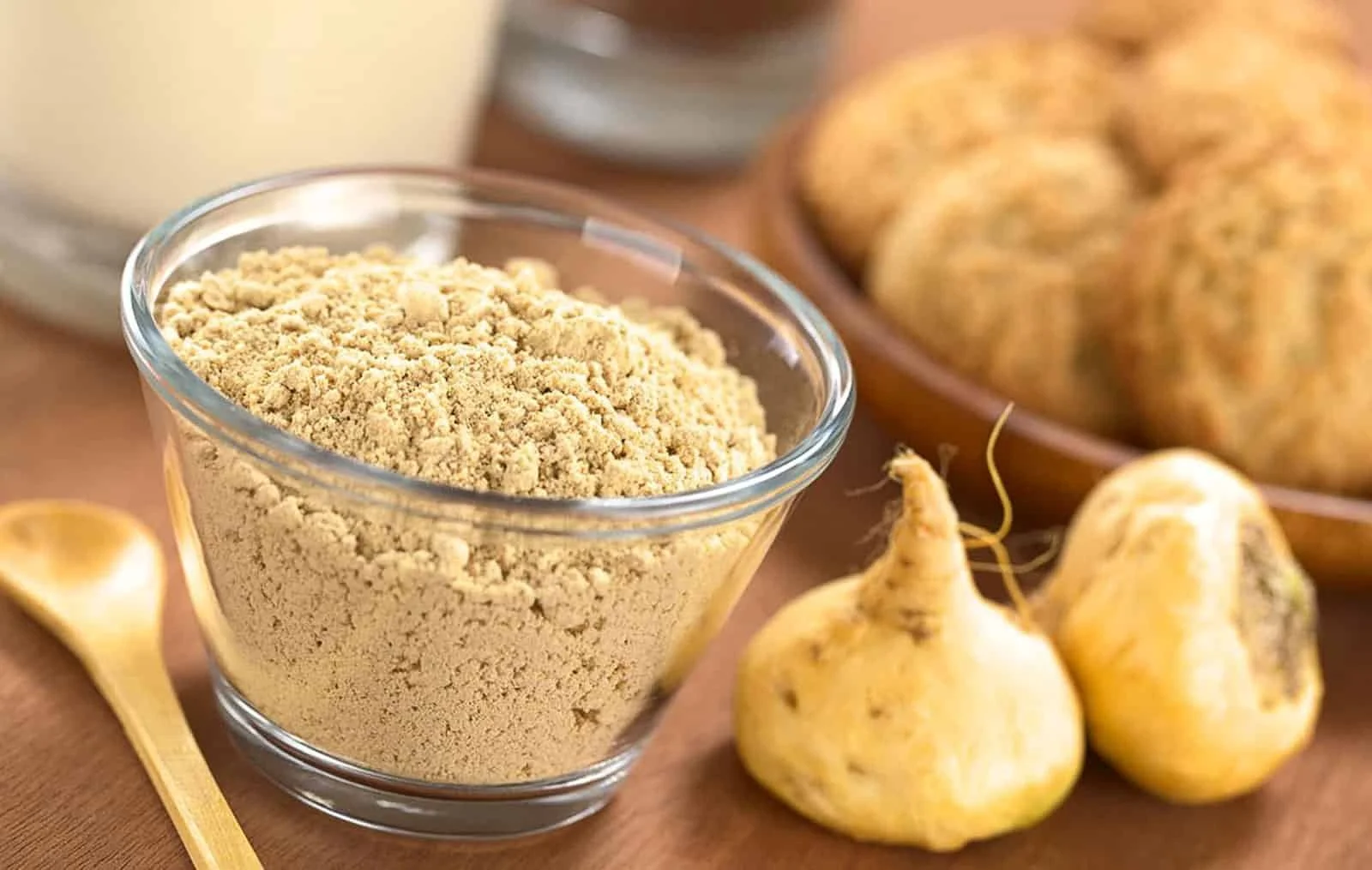
Lepidium meyenii
Nutrients: Vitamin C, copper, iron, potassium Plant sterols, glucosinolates (bioactive compounds) ~20 calories, 4g carbs, 1g protein
Benefits: May help balance hormones and support fertility. Can boost energy, stamina, and mood. Supports cognitive function and stress resilience.
Source & Region: Native to the high Andes of Peru, particularly at altitudes of 12,000–14,000 ft (3,600–4,500 m). It is a root vegetable in the mustard family.
Harvesting: Traditionally grown in terraced fields. Roots are harvested by hand after about 8–9 months of growth. Sun-dried for several weeks, then ground into powder. Gelatinization is a heating process that removes starch, making it easier to digest.
Camu Camu
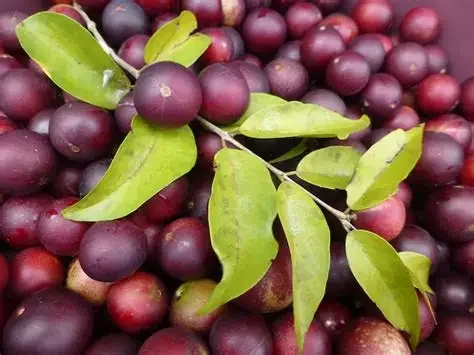
Myrciaria dubia
Nutrients: Extremely high Vitamin C (700–1000 mg per tbsp; way above daily needs) Flavonoids, polyphenols, Trace minerals like potassium and calcium.
Benefits: Strong immune system support Powerful antioxidant, reduces inflammation. Supports collagen formation and skin health.
Source & Region: A small bush native to the Amazon rainforest (Peru, Brazil, Colombia). Grows along rivers and floodplains. Produces small, sour, cherry-like fruits.
Harvesting: Collected by hand, often by canoe in flooded regions. Fruits are extremely perishable; usually frozen or dehydrated near the source. Dried and ground into powder for export.
Maqui 'Berry
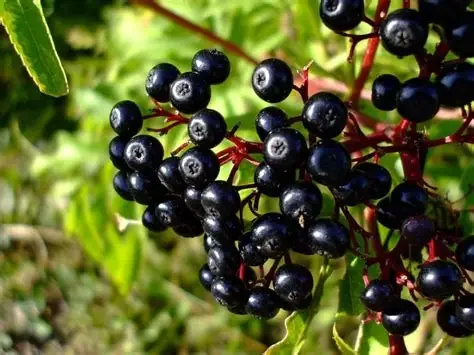
Aristotelia chilensis
Nutrients: Vitamin C, calcium, potassium Anthocyanins (antioxidants, even higher than blueberries) Fiber.
Benefits: Potent anti-inflammatory and antioxidant effects Supports cardiovascular health and healthy blood sugar May improve eye and skin health.
Source & Region: Native to temperate rainforests of Chile and southern Argentina (Patagonia). Grows wild in nutrient-rich volcanic soils. Small, deep purple berries.
Harvesting: Traditionally hand-harvested by the indigenous Mapuche people. Still largely gathered from wild plants rather than cultivated orchards. Sun-dried or freeze-dried into powder to preserve antioxidant content.
Açaí Berry
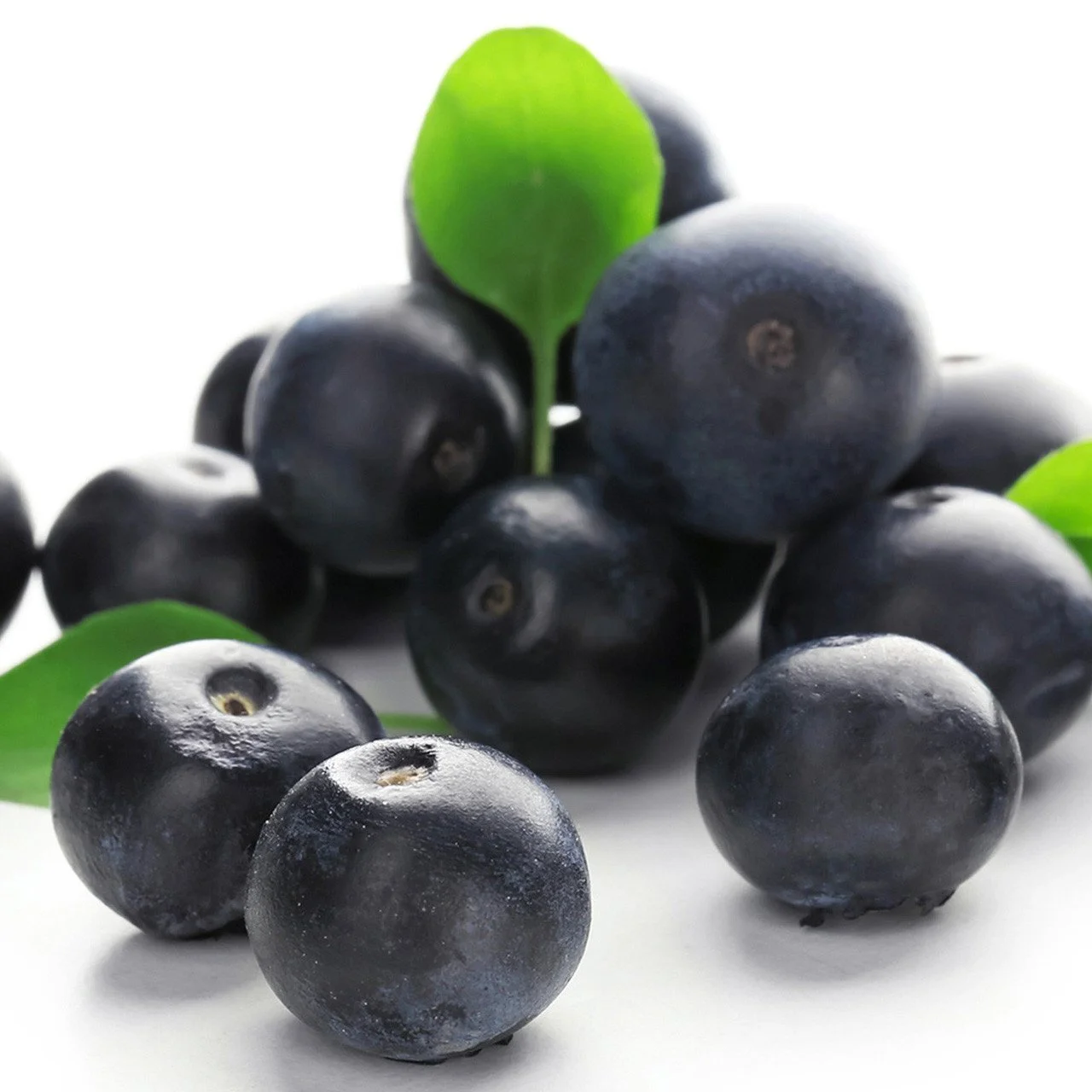
Euterpe oleracea
Nutrients: Healthy fats (omega-9 oleic acid, omega-6 linoleic acid) Fiber Anthocyanins and other antioxidants Small amounts of calcium, vitamin A.
Benefits: Supports heart health and healthy cholesterol levels Helps reduce oxidative stress May aid brain health and skin vitality.
Source & Region: A palm tree native to the Amazon rainforest (Brazil, Peru, Suriname). Grows in floodplains and swamps. Produces clusters of small, dark purple berries.
Harvesting: Harvesters climb tall palms (up to 80 ft) to cut fruit clusters by hand. Berries are highly perishable — the edible pulp is less than 20% of the fruit. Processed quickly (freeze-dried or frozen puree) for export.
Flaxseed
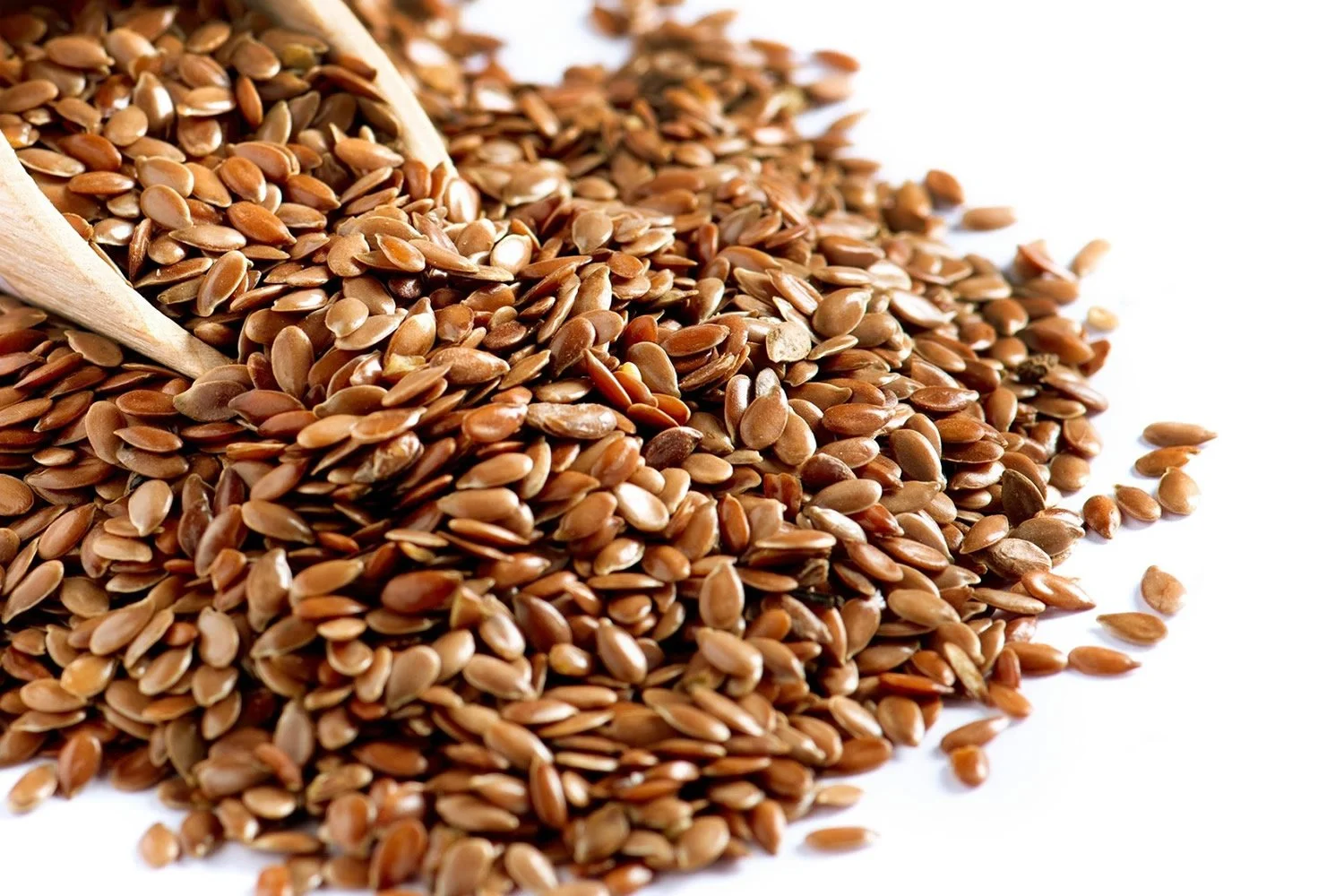
Linum usitatissimum
Nutrients: Omega-3 fatty acids (ALA) Fiber (~3g) Lignans (phytoestrogens with antioxidant properties) B vitamins, magnesium, manganese.
Benefits: Supports heart and brain health Balances hormones (especially helpful in women’s health) Improves digestion and regularity May lower cholesterol and support blood sugar balance.
Source & Region: One of the world’s oldest cultivated crops, grown for both fiber (linen) and seed. Originated in the Fertile Crescent, now widely cultivated in Canada, China, India, and the U.S. Grows in temperate climates.
Harvesting: Seeds are collected when seed capsules turn brown and dry. Harvested mechanically in large-scale farming. Seeds are dried, cleaned, and ground into flax meal or powder.
Chia Seed
Salvia hispanica
Nutrients: Omega-3 fatty acids (ALA) Fiber (~4g) Protein (~2g) calcium, phosphorus, magnesium antioxidants.
Benefits: Supports hydration (absorbs water, forms gel) Great for digestion and satiety Supports bone health Helps with steady energy and blood sugar regulation.
Source & Region: Native to central and southern Mexico and Guatemala. A flowering plant in the mint family. Seeds are tiny, speckled black or white.
Harvesting: Plants mature in ~4 months. Seeds are harvested once the flowers dry out. Cut, threshed, and cleaned to separate seeds from husks. Now grown in Mexico, Argentina, Bolivia, Australia, and the U.S. (especially in dry climates).